More Than a Thrift Store
A visit to Goodwill in Augusta revealed an unexpected ecosystem of workforce development, enterprise, and an emerging vision that may soon include agriculture.

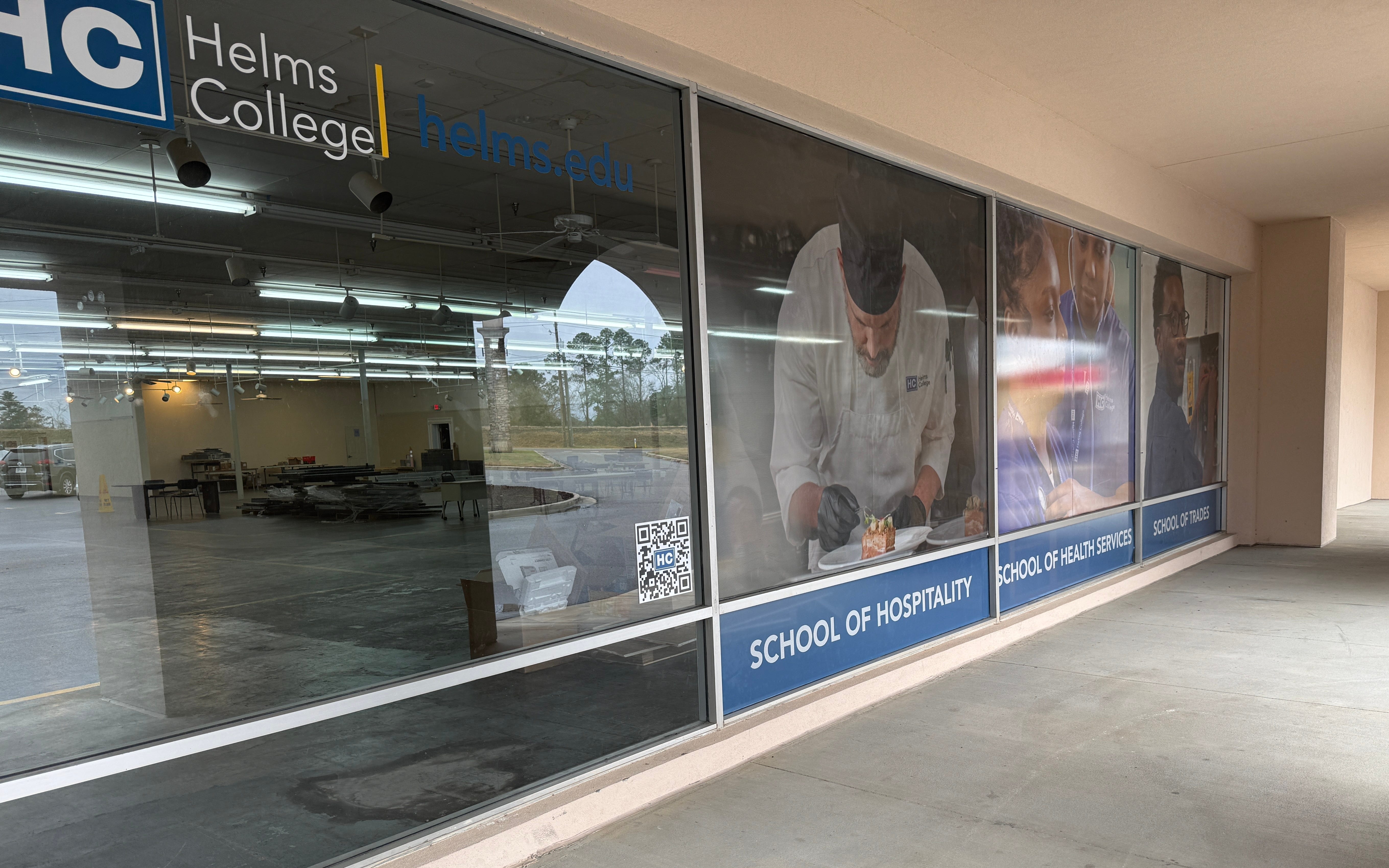
On February 27, 2026, my cousin and co-worker, Dillon and I spent the day in Augusta with Jim Stiff, the President of Goodwill Industries of Middle Georgia.
On the drive over, Dillon admitted something I suspect a lot of people quietly believe — that Goodwill is basically a thrift store, a place where people drop off donated items and buy used stuff.
I knew it was more than that. I was aware of the workforce development mission in a general sense. But I didn’t understand the depth, the history, the scale — or how uniquely innovative the Middle Georgia Goodwill has become compared to most regions.
By the end of the day, it was clear the store is just the visible expression of a much deeper mission.
The mission has always been about work — not simply helping people find jobs, but restoring dignity and opportunity by helping people build skills, confidence, and a pathway to a meaningful livelihood.
Jim began by walking us through the history of Goodwill and its founder, Edgar Helms, a Methodist minister in Boston during the early years of industrialization. What struck me most about the story was how practical the original insight was. Helms recognized that when people are struggling just to meet their basic needs, conversations about faith, purpose, or calling rarely land the way we hope they might. Stability comes first.
So he began visiting wealthier neighborhoods carrying burlap sacks and asking families to donate items they no longer needed—clothes, shoes, watches, and household goods that were broken or worn but still repairable. Those items were brought back and placed in the hands of skilled craftspeople who repaired them. But just as importantly, those craftspeople trained others in their trades along the way. Shoemakers taught their craft. Watchmakers passed on their skills. Tailors repaired garments while helping others learn the work.
Eventually they needed a way to move the repaired goods, and a small storefront was created. That detail stayed with me throughout the day. The store itself was never the point. It became the economic engine that helped sustain the deeper mission—creating pathways for people to gain skills, confidence, and a foothold in meaningful work.
That original DNA still feels very much alive in Augusta.
Helms College: A Living Ecosystem
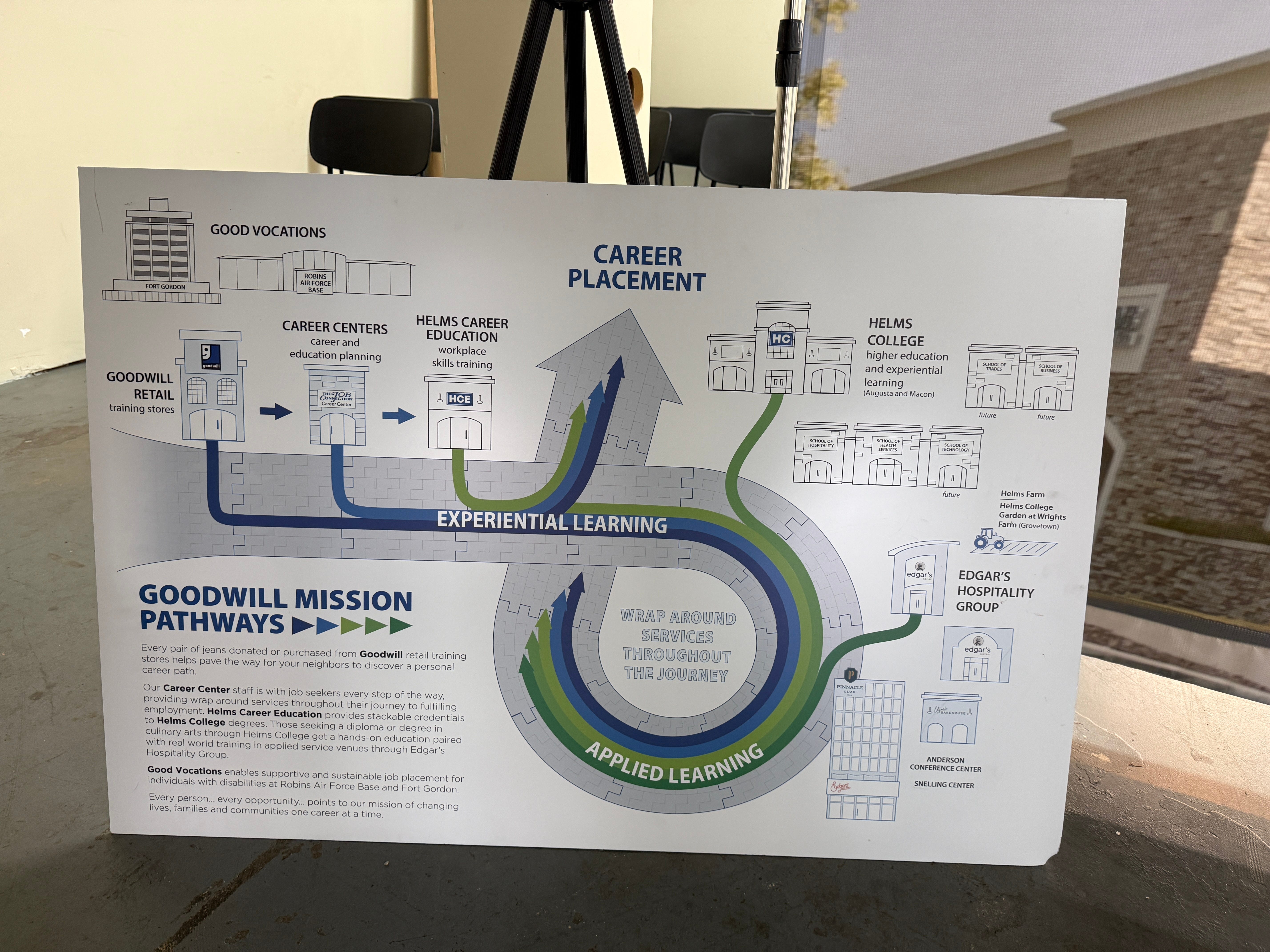
What Dillon and I toured that day was anything but a typical Goodwill operation.
The Middle Georgia organization has transformed a former strip mall into Helms College—an accredited institution offering programs in culinary arts, hospitality, healthcare, and skilled trades, all integrated with real operating businesses that function as learning environments. There’s a full-service restaurant, a bakery and coffee shop, an event venue, a bookstore, and a range of technical training programs that serve both students and the surrounding community.
The model they use is simple and elegant: students move from the classroom, into the lab, and then into operating businesses where they gain real-world experience. Learning begins with instruction, but it doesn’t stay there for long. Culinary students move from the classroom into training kitchens and then into real restaurant service. Hospitality students help run events and gatherings that serve actual guests. Skilled trades students learn their craft while maintaining and operating facilities that are actively in use. The progression is intentional—classroom to lab to real work—so that by the time students leave, they haven’t just studied the work, they’ve done it.
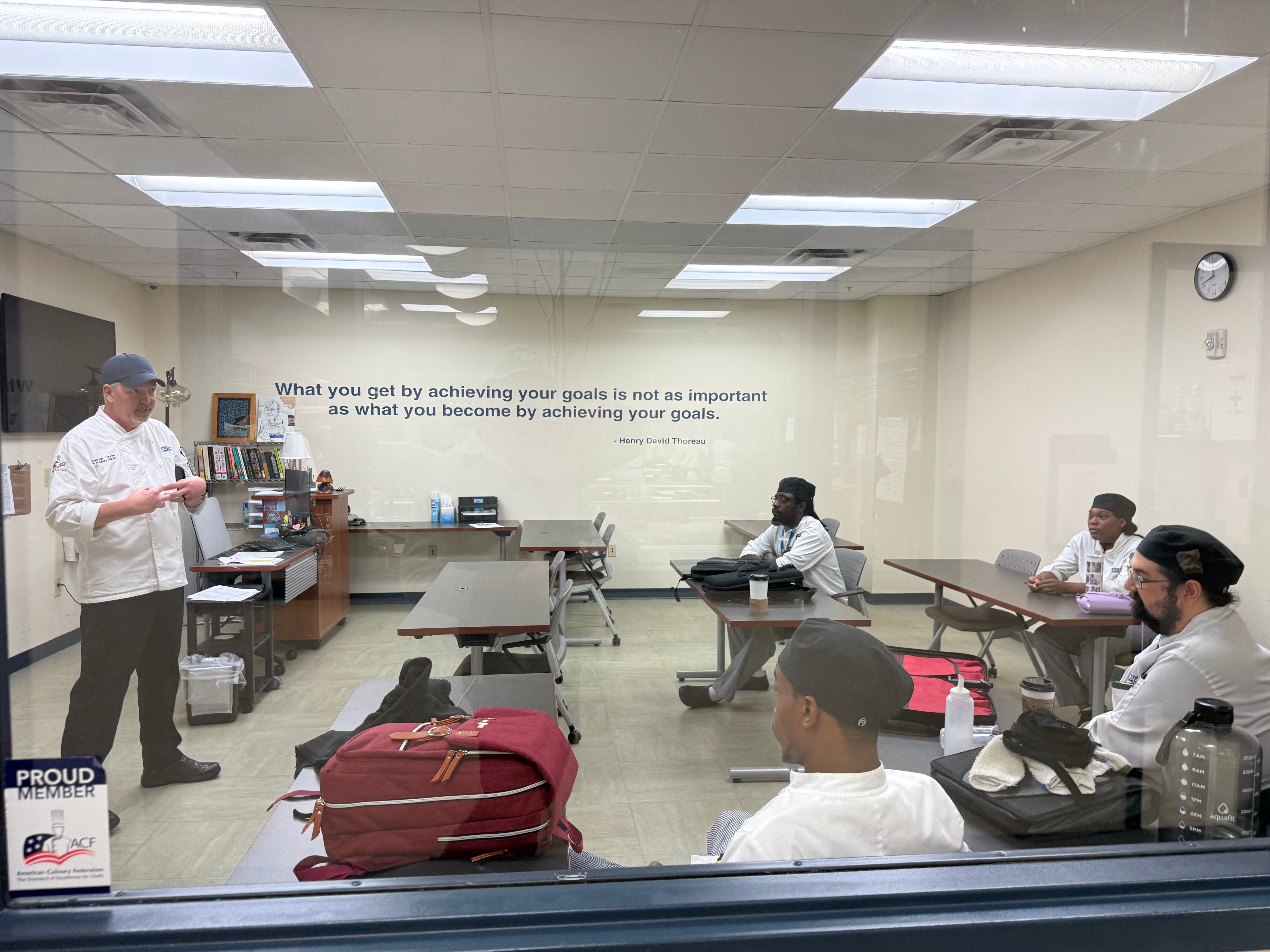
What impressed me most was how cohesive everything felt. It wasn’t a collection of disconnected programs layered on top of each other, but a functioning ecosystem where each piece reinforces the others. The restaurants support the hospitality program. Facilities training keeps the campus operating while developing marketable skills. Leadership development grows managers and executives from within the same system. Nothing about it feels experimental. It’s clearly built to work in the real world.
Throughout the day we also talked about the people the organization serves—veterans, individuals with disabilities, neurodiverse individuals, people returning from prison, and others navigating poverty or difficult life transitions. What stood out was that the approach is not about lowering expectations. Instead, they build structure and support systems that allow people to rise. Certificates can stack into degrees. Mentorship fills the inevitable gaps. Leadership development continues far beyond entry-level training.
At one point Jim spoke about executives who had grown up through the system, beginning with early training programs and eventually moving into leadership roles. There was a quiet pride in that story—not the kind of pride that shows up in marketing materials, but the kind that comes from seeing people genuinely flourish.
For me, this resonated with something I’ve come to believe over many years working around farms and communities: meaningful work restores dignity. It creates stability in people’s lives and helps people find their place within a community again.
Where Agriculture Enters the Picture
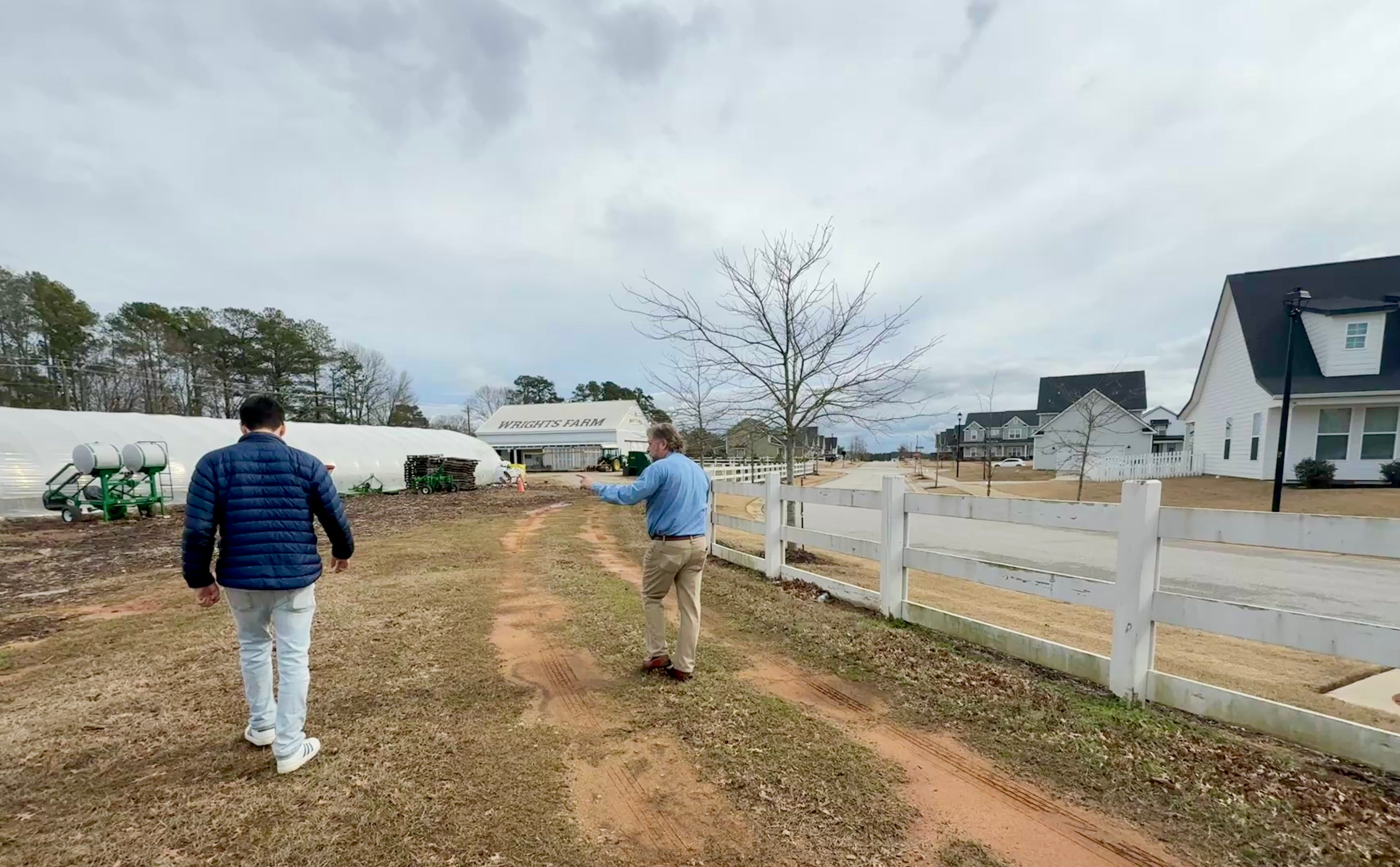
The reason Dillon and I were there that day was to explore Goodwill’s growing interest in agriculture.
They have begun developing farm initiatives connected to their culinary and hospitality programs, with the idea of growing food for their restaurants and events while also creating hands-on horticultural training opportunities and potential agricultural career pathways.
As we talked through the vision, something became clear. They already possess many of the components that most farm-based communities struggle to build from scratch. They understand hospitality. They understand operations. They understand workforce training and how to build enterprises that support a mission.
In this context, agriculture didn’t feel like an add-on or a side project. It felt like a natural extension of the ecosystem they’ve already built. When land, food, hospitality, and workforce development come together, a farm becomes more than a place where food is grown. It becomes a living classroom, a training ground, and a community gathering place that can open new pathways for people to learn skills, build confidence, and step into meaningful work.
The more we talked, the more it felt like agriculture—and potentially agrihoods—could become another platform for Goodwill to expand its mission and impact.
The Larger Possibility
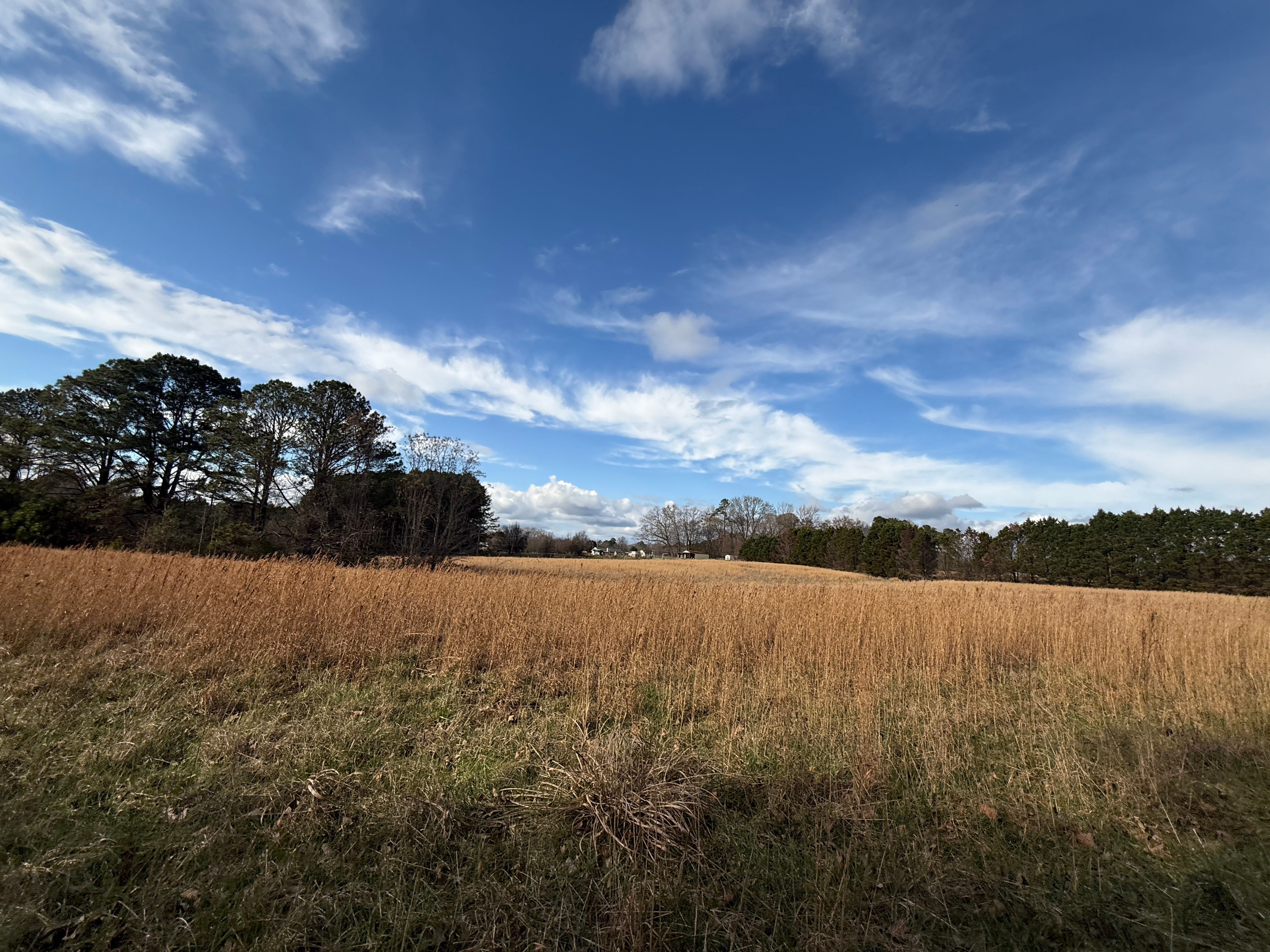
As we drove between sites, I found myself thinking about the broader potential of a model like this.
Goodwill operates as a federated network, where regional organizations innovate independently and share what works across the larger system. When something succeeds in one place, it has the potential to influence others.
Having just returned from time with Heifer International in Nepal, I couldn’t help noticing the parallel. Both organizations have deep roots, long histories, and an extraordinary level of trust within the communities they serve. For decades, Heifer has used agriculture as a pathway to livelihood—helping families build skills, generate income, and strengthen their communities through farming. It’s a model built on the same fundamental belief that dignity grows when people have the opportunity to do meaningful work.
Seeing what Goodwill has built in Augusta made me wonder whether agriculture could play a similar role here. Within a system that already understands workforce training, hospitality, and enterprise, farms—and potentially agrihoods—could become another platform for expanding pathways into meaningful work and community life.
At one point Jim said something that stayed with me: good ideas need leadership in order to become real.
The infrastructure is already here. The mission is clear. What agriculture requires in this context is thoughtful design and operational leadership so it strengthens the entire system rather than sitting on the margins of it.
That was the invitation Dillon and I felt as we left.
Walking Away
I arrived that morning knowing Goodwill was more than a thrift store. I left realizing I had barely begun to understand the uniqueness of what has been built in Middle Georgia.
Sometimes the most meaningful innovation isn’t loud. It’s happening quietly inside institutions people think they already understand—behind familiar signs that most of us pass without giving a second thought.
Seeing this model up close left me both impressed and hopeful. It reminded me how powerful it can be when mission, enterprise, and community are aligned around helping people find their footing through meaningful work.
These are the kinds of projects that remind me why I’ve been drawn to this work for so many years.
In Augusta, that next chapter may very well include farms and agrihoods.